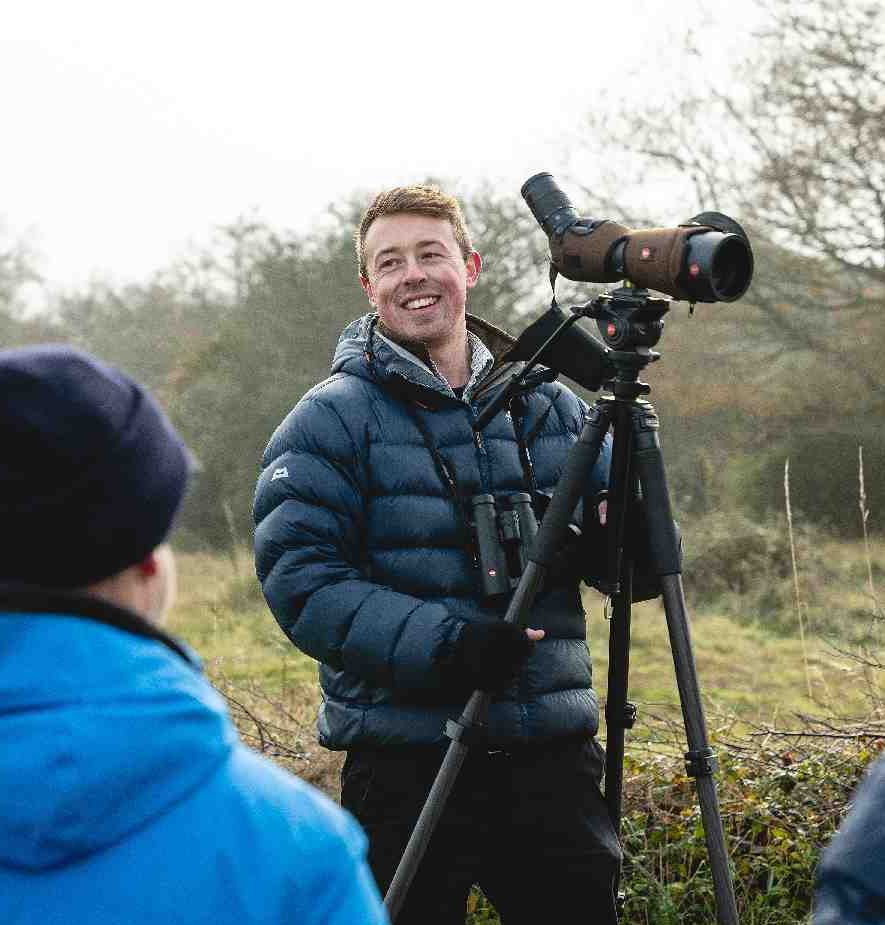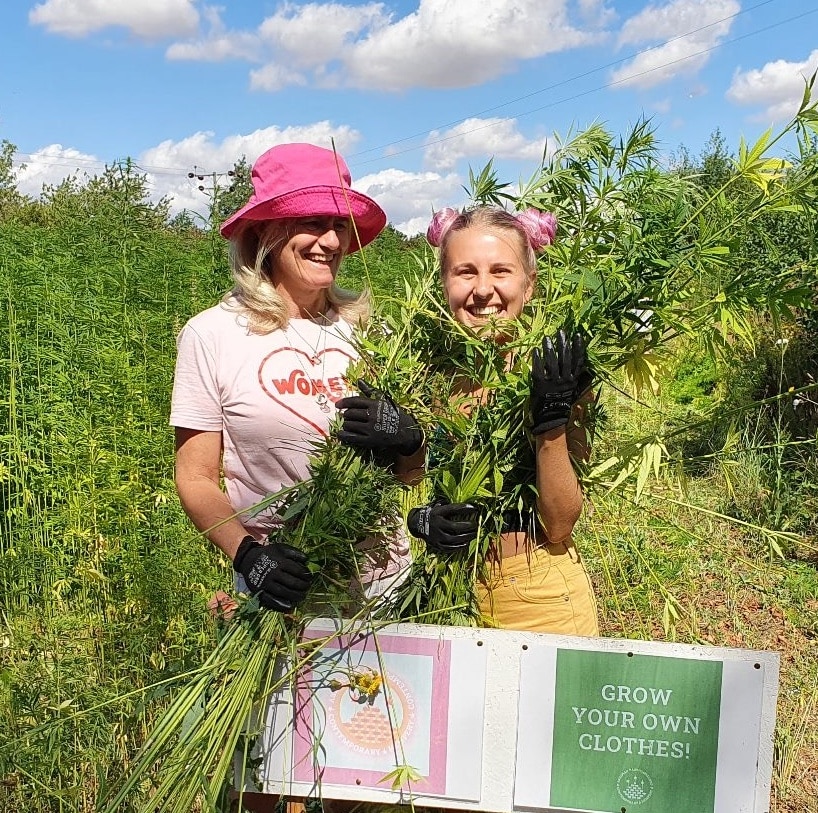
Suffolk based fieldcraft training provider ‘Edge of Wild’ is pleased to offer woodland skills sessions in our agroforestry.
‘Edge of Wild’ is owned and managed by Martin Lyne. Martin’s passion for the outdoors contributed to his early career decision to join the army. After graduating from the Royal Military Academy at Sandhurst in 1989, he was commissioned into the Royal Anglian Regiment and spent the next twelve years training around the world in environments as varied as the snow of Norway, the forests of Germany and the grass plains of northern Canada. He completed operational tours in Northern Ireland, Kuwait and the Former Yugoslavia.
After retiring from the army in 2000 at the rank of Major, Martin went on to have a successful 25-year career as a manager and Executive Director in the independent healthcare sector. During this time he retained his interest in nature and the outdoors, enjoying walking, skiing and camping with friends and family in his free time. A qualified Forest School Leader, he now works in a number of settings across Suffolk providing Forest School, bush craft and map navigation training and learning experiences for children and adults.
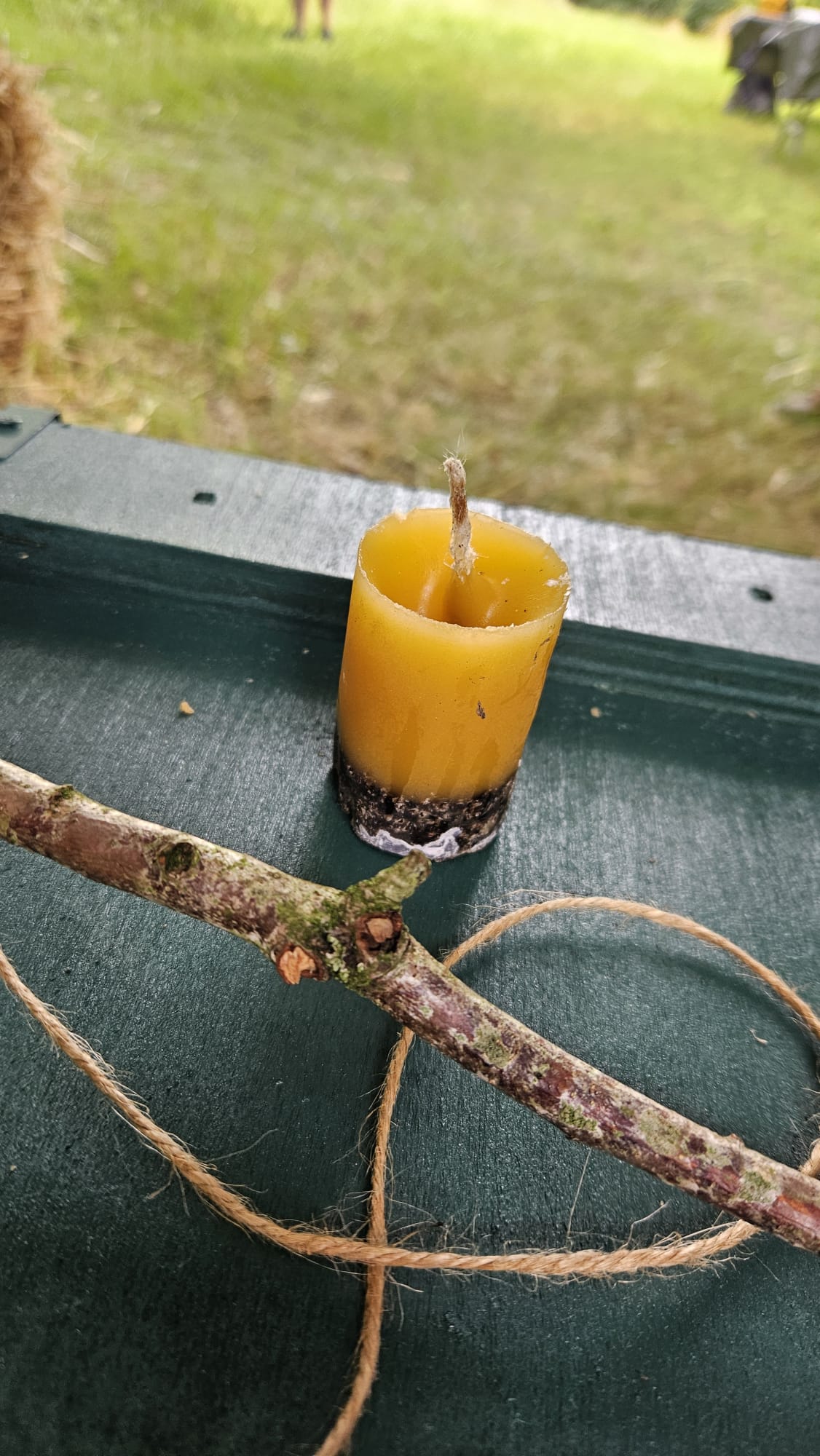
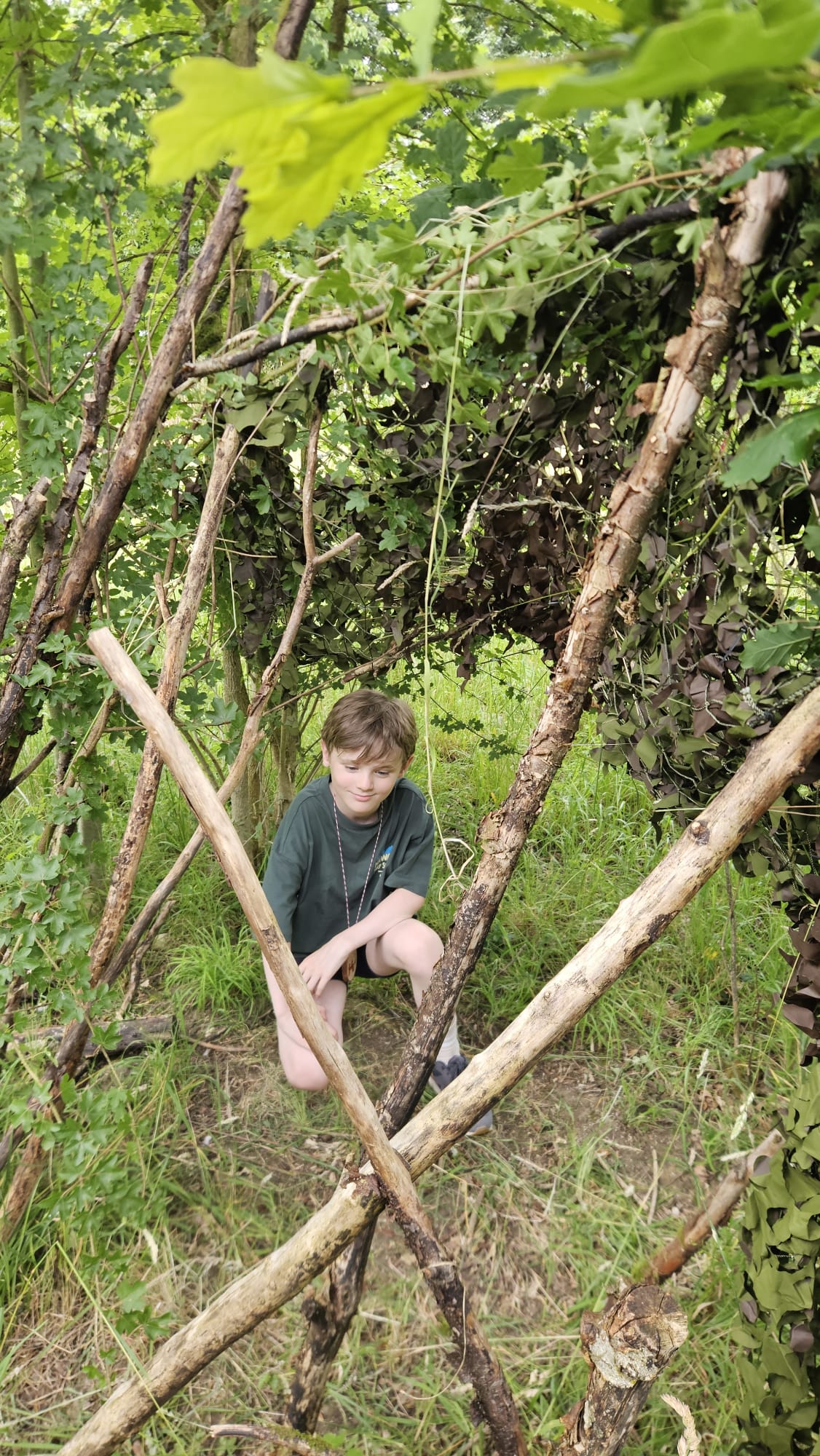
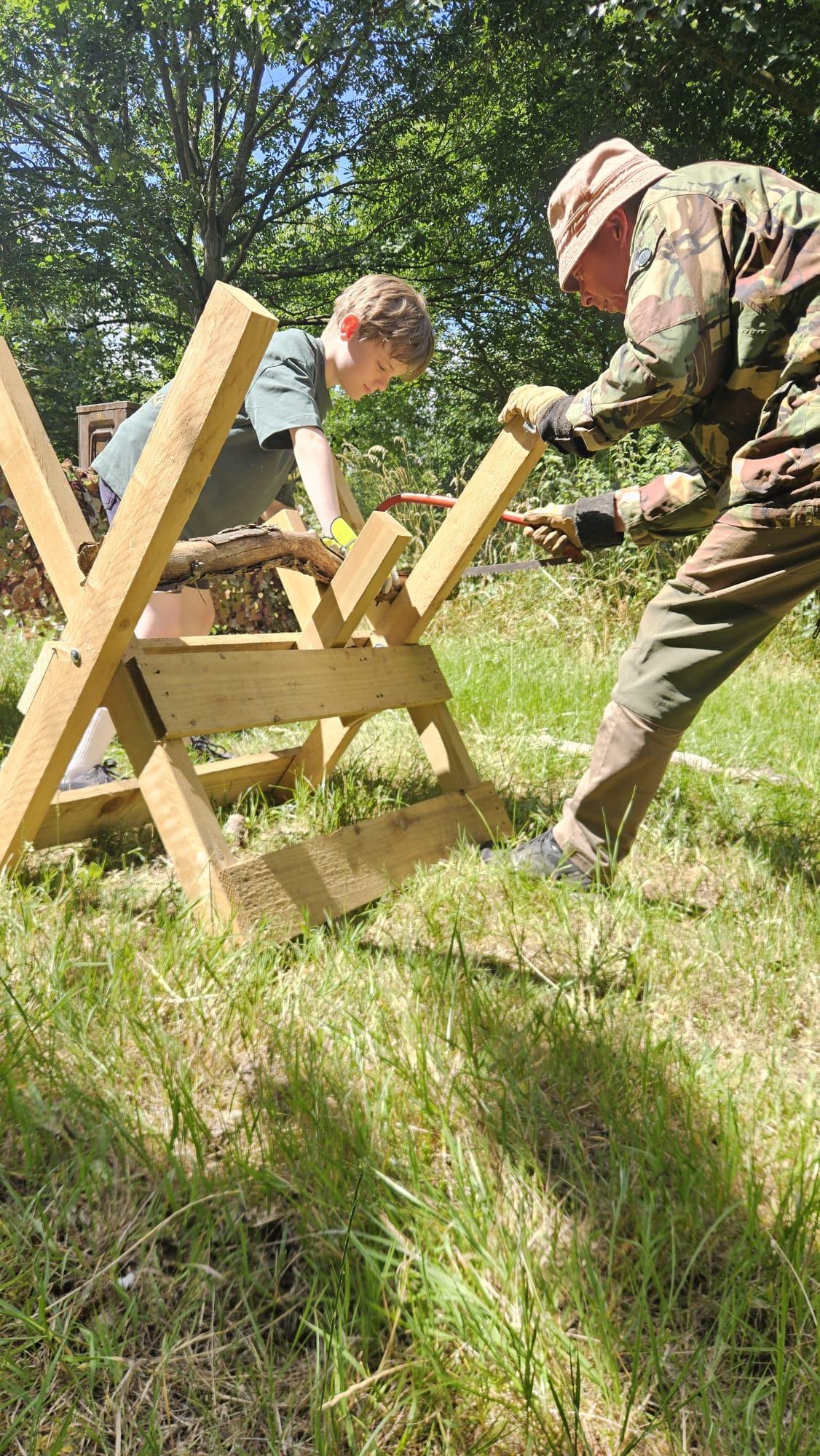
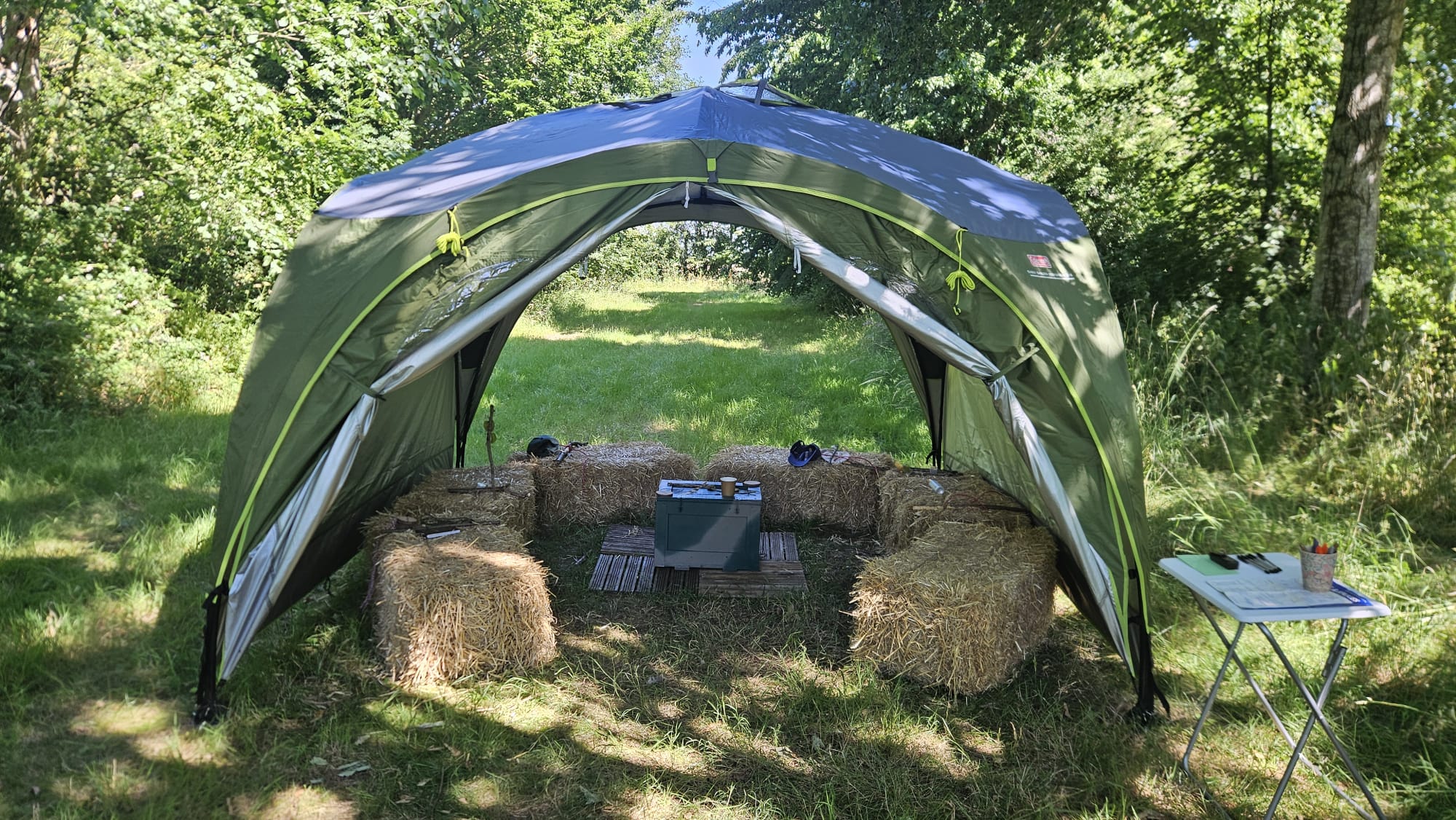
At the ‘Woodland Skills Day‘, participants will learn about and then practice practical skills for living in woodland environments. These will include safe use and maintenance of traditional bladed hand tools, shelter building, open fire setting & cooking, knots and lashings and making items for use in the field out of natural materials sustainably sourced from the forest.
Due to the nature of activities, children attending must be eight years or older and accompanied by an adult (£135 adult including lunch).
Children between 8 and 14 yrs old are free, but must be accompanied all day by a paying adult (one adult per child).
Children aged 14-18yrs pay £60 for the day.
Unfortunately for these sessions in 2026 there is no provision for children under 8 yrs old as risk assessments for this age group require significantly more trained FS staff to operate safely.
Lunch is provided by Silva – seasonal tarts, salads, and delicious sweet treats. All made from scratch with menus inspired by Wakelyns produce and carefully chosen local ingredients from our favourite suppliers.
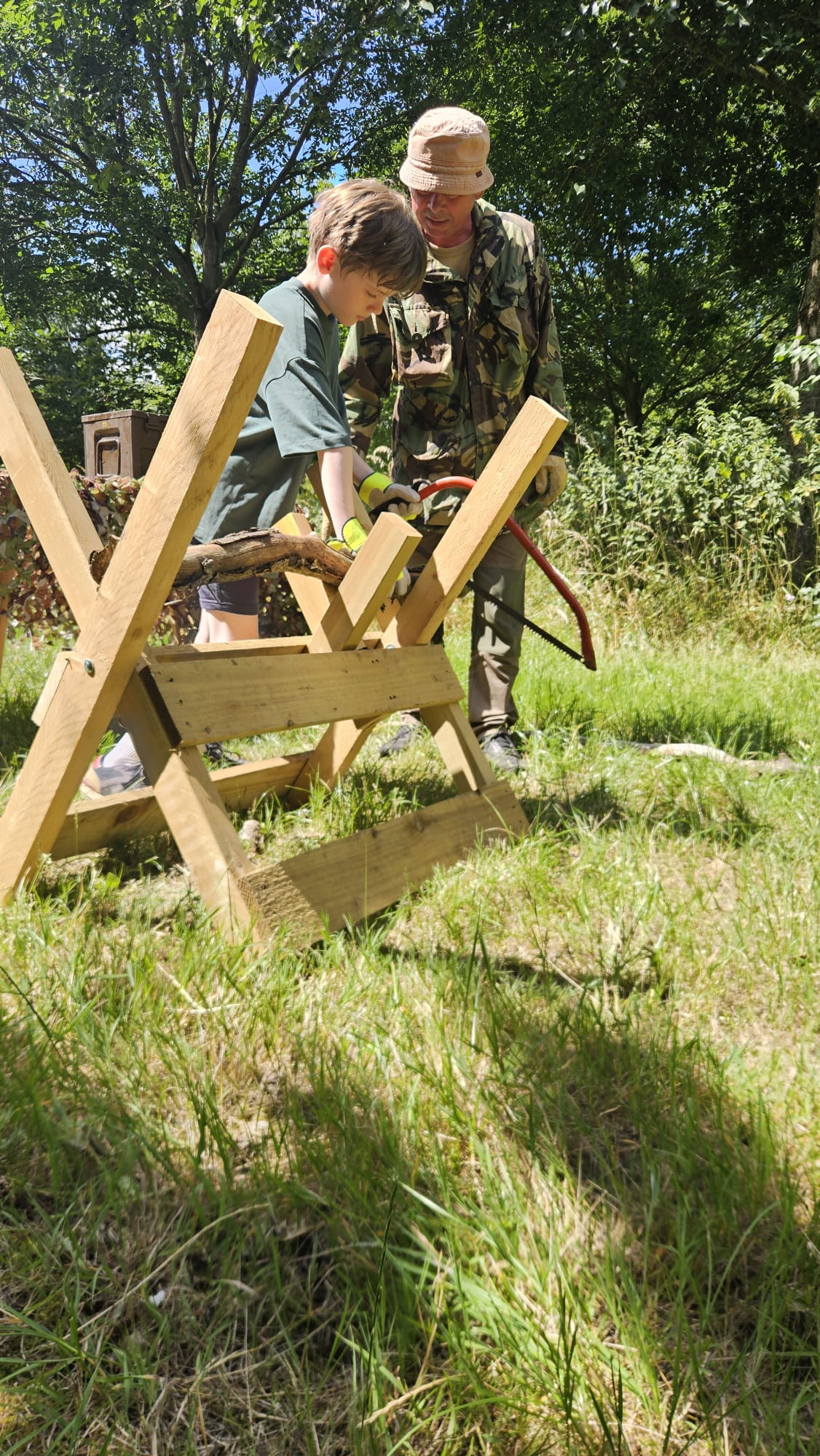
What to Wear– The course is conducted outside on soft, uneven ground so clothing that is suitable for the forecast weather is necessary, remembering that the temperature in woodland shade can be lower than that on open ground. Learners will be working in the forest where there are predictable hazards such as thorns, nettles, woodsmoke, oil, mud and water so are advised not to wear anything they don’t want exposed to potential damage in the natural woodland environment.
Head – ‘Get a head, get a hat’ – a warm hat in cooler conditions and a cap or beanie when it’s warm is vital gear in the forest. Wearing one and having the other in a bag is a good idea.
Upper Body – Having thin, multiple layers on upper body (i.e. a thin long sleeved ‘wicking’ layer close to skin, a warmer ‘mid-layer’ in the form of a light fleece/jumper and an outer layer that is wind and waterproof) works best as it allows for quick adjustment when conducting physical work in the forest in variable British weather. Bringing a spare warm mid-layer in a bag is always sensible.
Legs – Long trousers are recommended as they provide protection from ground plants such as nettles and brambles. Avoid jeans and thick cotton materials; they absorb water and stay wet. Trousers made of a lightweight material that dries quickly are best.
Footwear – Closed-toe shoes should be stout with a sole that grips well in muddy conditions – walking boots or shoes are ideal. Trainers, flip flops, crocks or sandals are not suitable.
Socks – Long socks to cover fully the ankle area between top of boot and bottom of trousers are highly recommended.
Other– If the weather is predicted to be wet, a set of lightweight waterproofs should be carried in a suitable rucksack or holdall. If forecast to be hot and sunny, some sun screen and insect repellent for personal use is highly recommended also. Water and hot drinks will be available in the training area, but learners may wish to bring personal water bottles or flasks as they prefer.